Wings are simple food with a surprising number of ways to go wrong: small wings, soggy skin, sauce so hot it erases everything else, or a dry rub nobody warned you was the spiciest thing on the menu. In Bessemer City, where the local standard is fresh, never frozen jumbo wings, the starting material already settles one argument. What remains is choosing a finish and a heat level that match the eater, not the ego.
Fresh wings cook differently from frozen. The skin renders and crisps rather than steaming in its own released water, and the meat stays juicier under that crisp surface. That is why wing people get particular about the word fresh, and why a jumbo wing eats like a meal where three small wings eat like a snack you keep chasing.
Dry versus wet, and why both exist
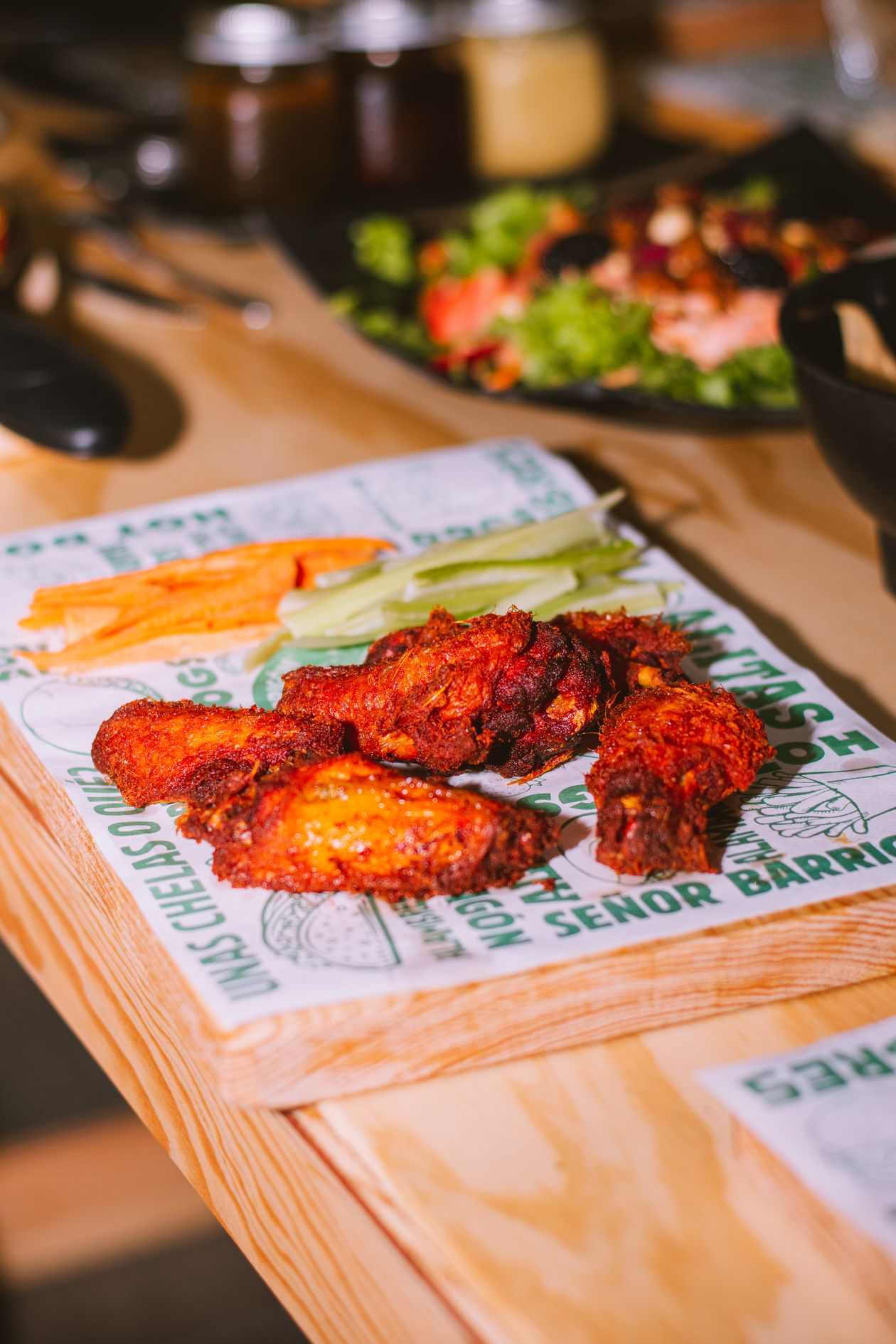
A dry rub is seasoning applied directly to the hot wing. The skin stays as crisp as the fryer made it, and the flavor is concentrated and a little different in every bite as the blend meets rendered skin. A wet wing is tossed in sauce, which softens the skin slightly and trades some crunch for a coating that carries sweetness, tang, vinegar or serious heat evenly across every piece.
Neither is the correct choice, and many regulars alternate by mood or split an order both ways. House styles blur the line in the best way: a sauce finished with a shake of the house dry seasoning gives you coating and crisp edges together. When a menu lists its own named wing styles rather than a generic sauce chart, that blending of house flavors is usually what it is describing.
Heat levels, honestly calibrated
Heat scales are local. One kitchen's medium is another's mild with ambition, so the only reliable calibration is asking and starting one step below your confidence. Capsaicin builds across an order: wing eight is hotter in effect than wing two, because heat accumulates and the cooling breaks between wings get shorter as the basket empties and conversation slows.
Build an escape route into the order. Celery, carrots and a creamy dip are not decoration; they reset your mouth. So does ordering a second flavor at a gentler level for the table, so a heat misjudgment becomes a story instead of a ruined appetite. And respect the dry rubs: without sauce to slow them down, a hot rub meets your tongue at full strength from the first bite.
| Style | How it is finished | Best for |
|---|---|---|
| Dry rub | Seasoning blend applied to hot wings, no sauce coating | People who want crisp skin and full seasoning in every bite |
| Wet and sauced | Wings tossed in sauce after cooking | Classic wing flavor with heat or sweetness carried in the coating |
| Sweet heat house styles | Sauces balancing sugar, tang and chili warmth | Tables splitting the difference between mild and hot eaters |
| Full heat | Hottest sauces and rubs on the menu | Experienced heat eaters, with a drink and no regrets planned |
How many to order
As a starter shared at the table, plan a few wings per person. As a main course, a full order of jumbo wings with fries is a serious meal for most adults, and two people splitting a large order plus a starter often eat better than two people each defeating their own basket in silence. Boneless wings, which are breaded breast pieces rather than wings at all, suit people who want the sauces without the bones and the mess, and there is no wing law against preferring them.
Leftovers, if it comes to that, reheat best in an oven or air fryer, which re-crisps the skin. A microwave returns wings to the sogginess that good frying worked to avoid. Five patient minutes of dry heat is the difference between leftovers you look forward to and leftovers that quietly confirm why you should have ordered the smaller basket.
A final note for mixed tables: order wings in rounds rather than all at once when the group is still deciding its heat politics. A first basket at a friendly level lets everyone calibrate against the kitchen's scale, and the second order can climb or retreat with evidence instead of bravado.
Common questions
What makes a wing jumbo?
Size per wing. Jumbo wings carry more meat per piece, so an order has fewer, larger wings and eats more like a meal than a snack.
Are dry rub wings less spicy than sauced wings?
Not necessarily. Rubs deliver seasoning and heat directly with nothing to dilute them, so a hot rub can be the spiciest option on the menu.
Fresh or frozen, can you really taste it?
Most people can in the skin and the juiciness. Fresh wings crisp better and taste cleaner, which is why wing focused kitchens advertise it.
Photos in this guide are representative stock images.
← All guides from Whiskey Mill← Back to Whiskey Mill